
A replaceable surface between the road and your paint
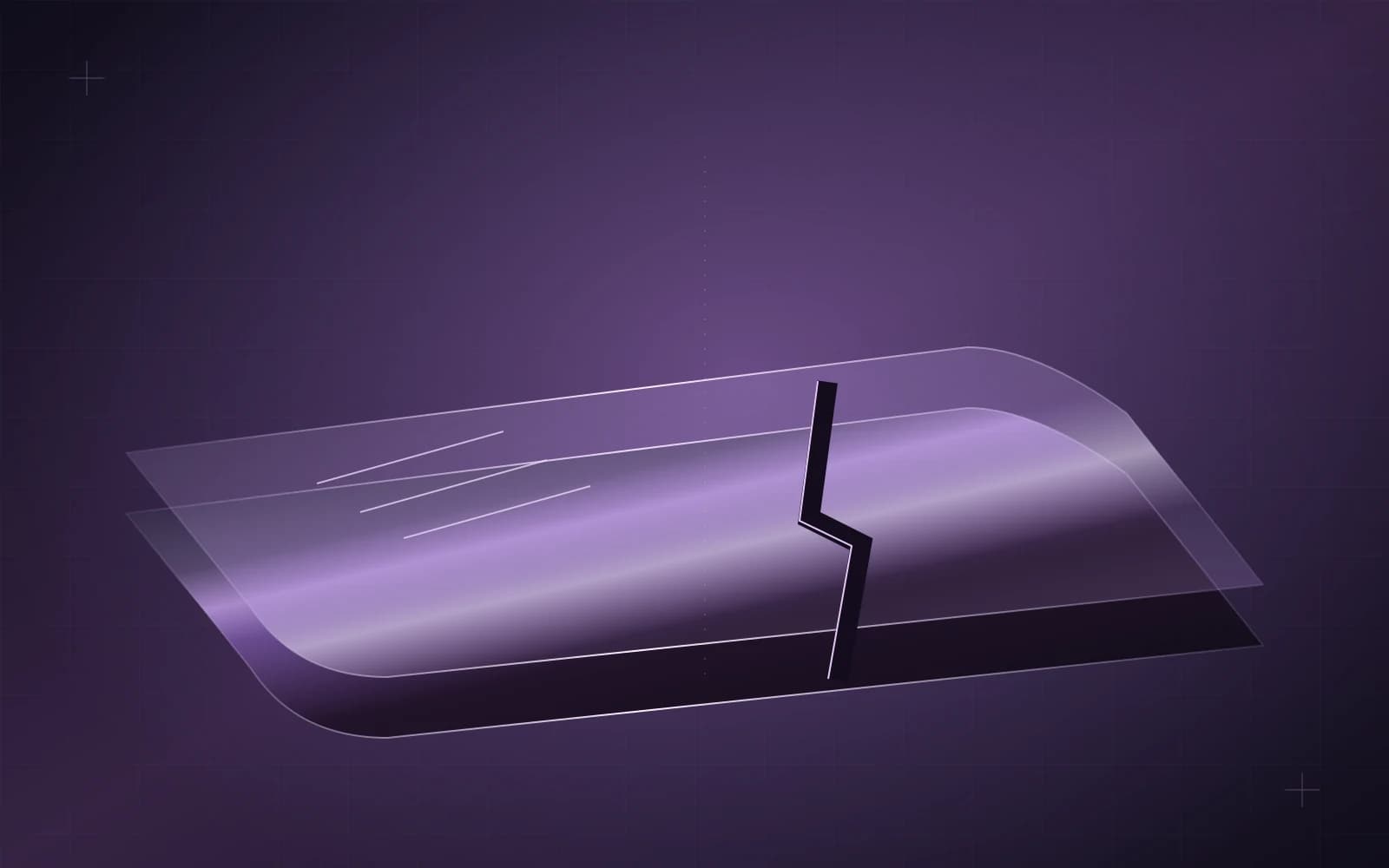
Paint protection film, or PPF, is a thin material applied over automotive paint. Its purpose is to take some of the exposure that would otherwise reach the painted surface: everyday abrasion, road debris and contamination. The film becomes the outer surface you wash, inspect and, when necessary, replace. It is a practical way to manage exposure while keeping the original finish visible or deliberately changing its appearance.
That distinction matters. PPF does not strengthen every part of a vehicle or make its paint immune to damage. Coverage protects only the areas covered, and sufficiently severe impacts can damage both film and paint. A useful purchasing decision begins with the surfaces you want to protect, the appearance you want and the conditions in which the vehicle actually operates.
How the layers work together
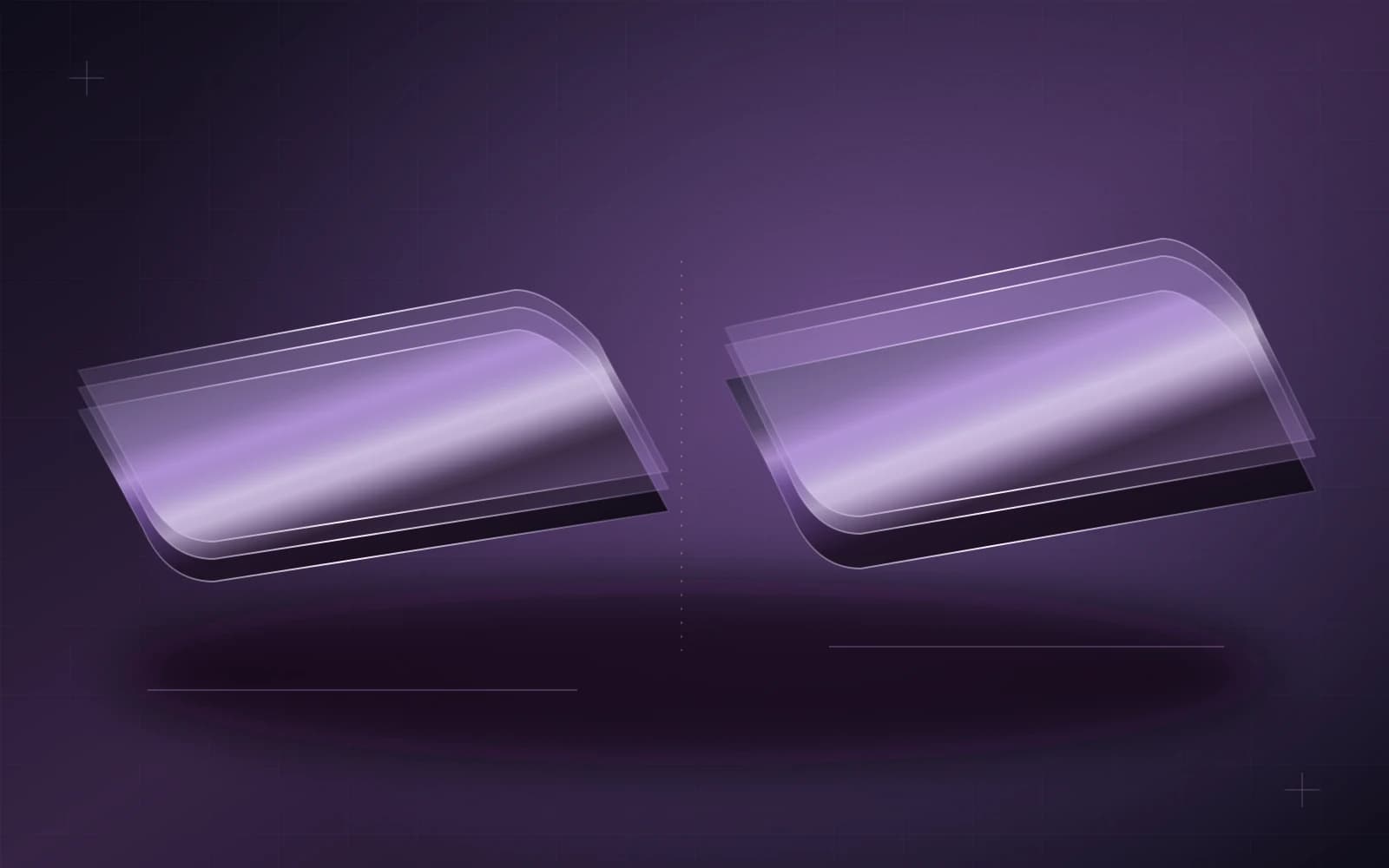
A clear PPF construction is best understood as a material system. The surface layer, structural core and adhesive have different jobs. Good appearance and useful protection depend on how those layers work together, as well as how the film is installed.
The top coat is the working surface
The top coat faces the environment. In supported VIVID constructions it provides hydrophobic behavior and recovery from light surface scratches. Those are distinct features: water behavior describes the surface's interaction with moisture; self-healing describes a limited response to fine surface damage. Neither feature eliminates cleaning or inspection.
The TPU core provides the material body
Thermoplastic polyurethane, abbreviated TPU, gives the film its flexible body. On a curved automotive panel, the material must conform while maintaining an appropriate finished thickness and appearance. Tensile strength and elongation describe aspects of material behavior under test. They do not tell an installer to stretch the film to its failure limit.
The adhesive completes the installation
The adhesive connects film to the prepared surface. Peel adhesion describes a different property from tensile strength. A stronger number in one column cannot substitute for the other. Preparation, substrate condition and technique remain important even when the film has a clearly documented adhesive specification.
| Layer in VIVID PRO | Documented thickness | Role in the system |
|---|---|---|
| Top coat | 0.5 mil | Functional outer surface |
| TPU core | 6.0 mil | Flexible material body |
| Optical adhesive | 1.0 mil | Bond to the prepared paint |
| Complete construction | 7.5 mil | Combined installed film construction |
The layer diagram on the Technology page makes this separation visible. The values above describe VIVID PRO; they should not be copied onto every film in the portfolio.
What protection means in everyday use
Consider the front of a vehicle used on ordinary roads. The bumper, hood and mirror housings encounter different combinations of debris, contact and cleaning. Applying film creates a sacrificial surface in selected areas. A mark in the film is therefore not automatically evidence that the underlying paint has been damaged, but it should still be assessed if the impact was significant.
Coverage planning matters as much as choosing a product name. A partial hood application leaves a boundary and uncovered paint; full-panel coverage changes that boundary. Neither arrangement should be sold as whole-vehicle protection. Ask an installer to identify exactly which panels, edges and recesses are included before approving the work.
PPF also does not repair the substrate. Chips, scratches, unstable refinishing or contamination present before installation require an honest discussion. Film may make some existing defects more noticeable under certain lighting. A clean, documented inspection gives both owner and installer a clear starting point.
Choose the visual result before comparing numbers
Clear high-gloss film is appropriate when retaining the underlying color and a glossy reflection is the goal. VIVID PRO and VIVID PRO MAX serve that purpose at different documented construction levels.
A matte result has a different visual objective. VIVID PRO MATTE™ controls reflection with a documented 5–10 GU matte gloss range. VIVID PRO SHIELD COLOR™ combines protection with color and finish personalization. VIVID DUALFINISH™ introduces gloss and matte effects whose appearance changes with light and viewing angle.
These are meaningful choices, not interchangeable names for transparent film. Review a physical sample under representative light and discuss how its appearance will translate from a small piece to a curved vehicle panel.
Read a specification without creating promises
Thickness describes construction depth. Tensile strength describes resistance to pulling under test. Elongation describes extension under the stated measurement conditions. Peel adhesion describes a bond measurement. UV protection is another separate property. A careful comparison retains the name, unit and context of every value.
For example, VIVID PRO documents 7.5 mil thickness, 45–55 MPa tensile strength, 300–400% elongation and 8–10 N/25 mm peel adhesion. PRO MAX documents 8.5 mil, 55–65 MPa, 350–450% and 9–11 N/25 mm respectively. These differences support a construction comparison. They do not establish a percentage reduction in real-world stone chips.
Self-healing applies to light surface scratches. Deep cuts, punctures, tears and missing material require inspection; they are not promised to repair themselves.
Questions to settle before installation
- Which panels and edges are included, and which areas remain exposed?
- Is the substrate ready, or does the paint need attention first?
- Which exact film and finish will be installed?
- What aftercare instructions apply to that product and installation?
- How will the product identity and installation record be provided?
- What commercial warranty terms apply to this purchase in this region?
Technical durability and commercial warranty are separate subjects. VIVID PRO's documented 7–10 years of technical durability is not a universal warranty term or a prediction for every vehicle. Climate, exposure, care and the condition of the installation are part of the ownership context.
Build a complete protection plan
Start with the vehicle's use, then select coverage, finish and construction together. If the main choice is between the two clear films, continue with PRO vs PRO MAX. For a closer look at surface recovery, read Self-Healing PPF. Bring those questions to a professional consultation so the final specification includes both the material and the work required to install it well.