
A material for the task.
Paint, automotive glass and the windshield need different material properties. Clear protection, matte, color and dual-finish films answer different visual priorities. Start with the surface and the result you want.
Why VIVID / a considered system
The material. Its purpose. The way it is installed. The identity behind the roll. Every part should help you understand what is on your vehicle.
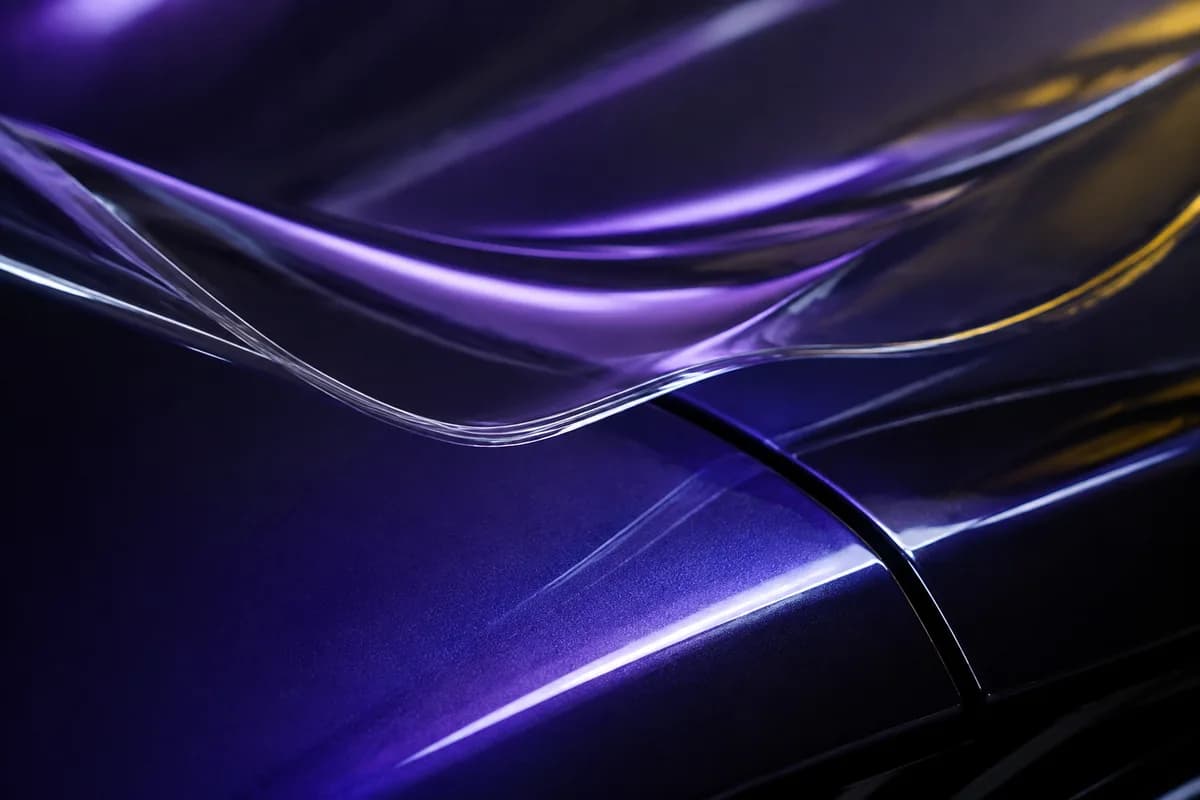 MATERIAL. APPLICATION. IDENTITY.
Four connected ideas
Paint, automotive glass and the windshield need different material properties. Clear protection, matte, color and dual-finish films answer different visual priorities. Start with the surface and the result you want.
Film thickness, tensile strength, elongation, visible-light transmission and solar metrics each describe something specific. VIVID presents the product-level values so you can make a considered comparison.
Surface preparation, film handling, edge finishing and aftercare affect the finished application. Product-specific technical guidance gives professionals a clear starting point.
A visible serial and Code128 barcode support physical roll identification. The separate secure QR verification route connects the customer to the official public record.
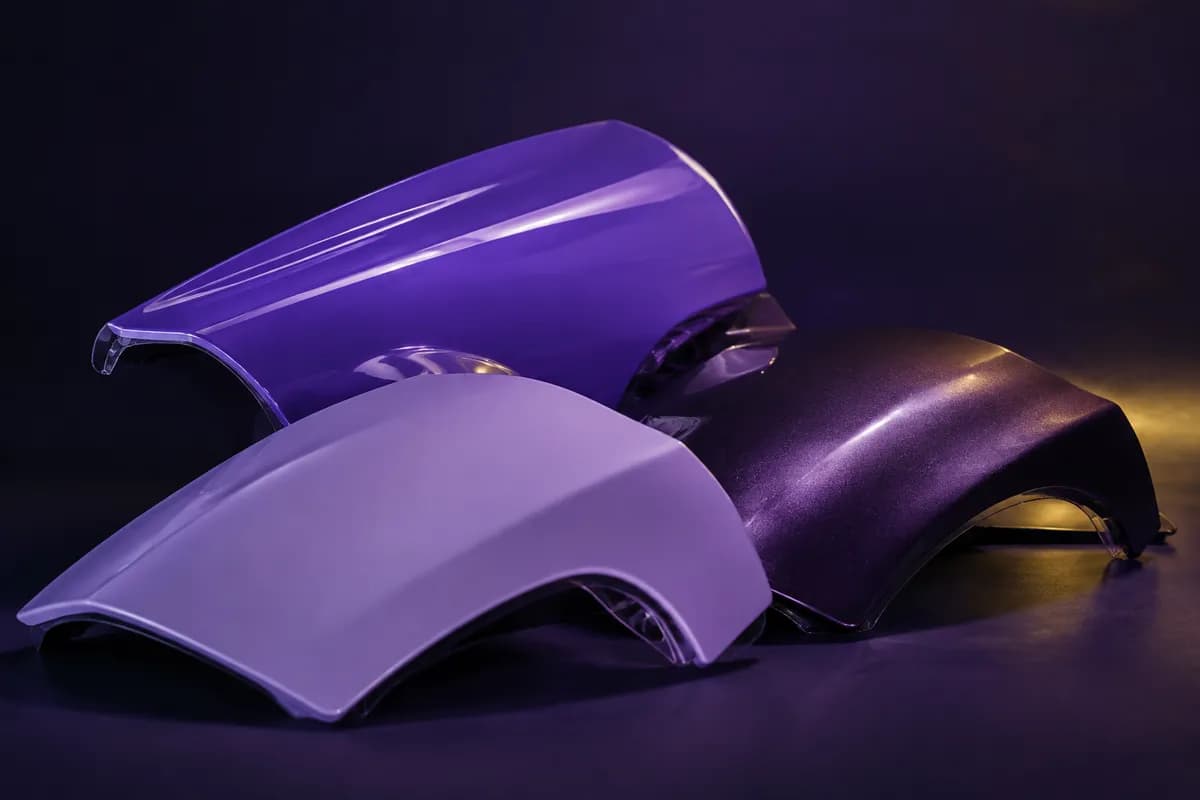
Protection with a point of view
Preserve the original paint through clear high-gloss protection. Soften its reflection with matte. Explore color and texture, or a finish that changes with light and angle.
Each choice retains its own material specification. Compare within the right category and confirm the selected finish with a physical sample.
Compare the possibilities07 Confidence, connected
Traceability connects the material in your hands to its recorded identity. Follow the three parts of the system.
Verify a productThe physical roll is the starting point. Match the product name and visible serial to the material supplied.
Schematic identity example. No live serial or scannable token is displayed.
Know what is on your vehicle