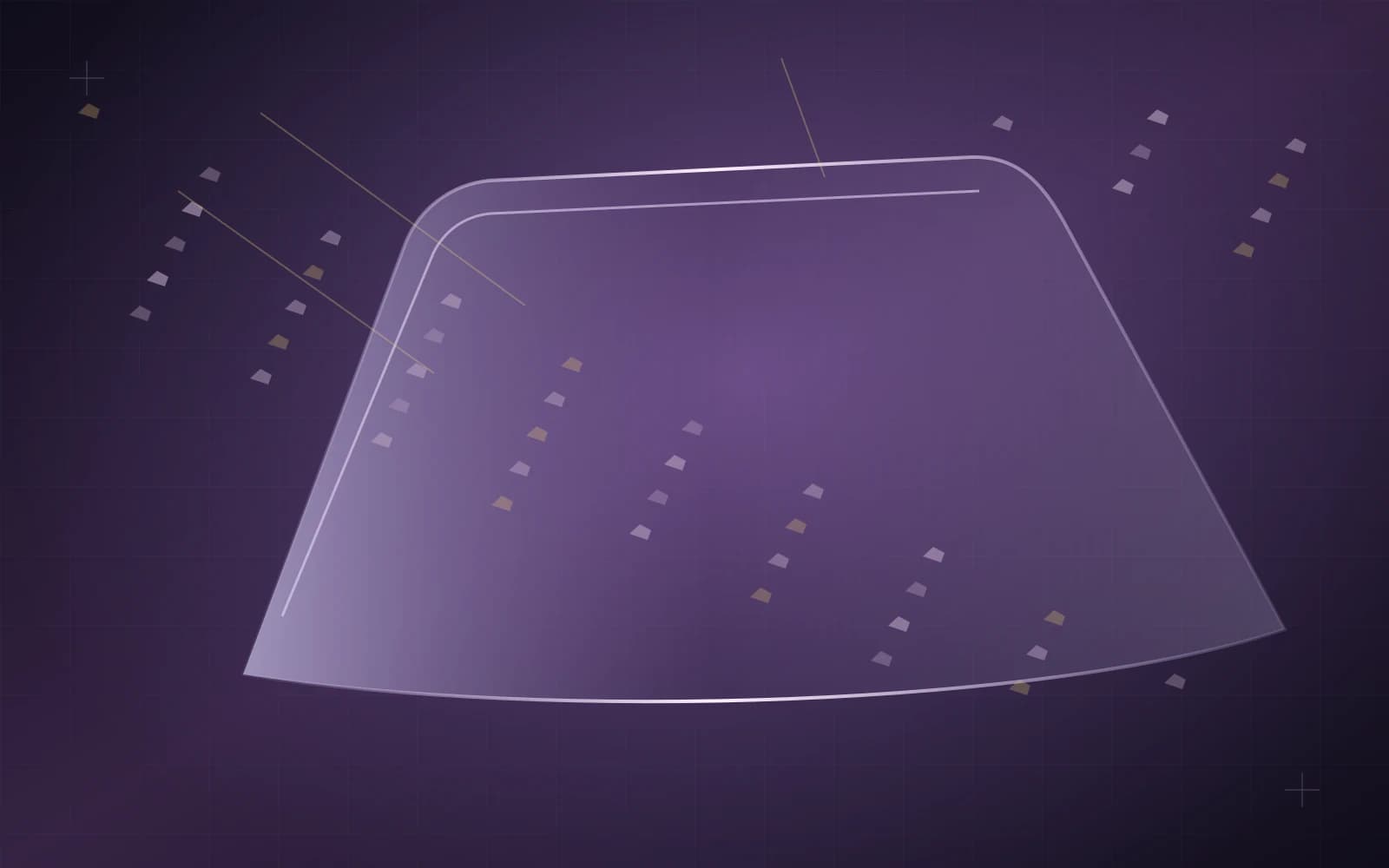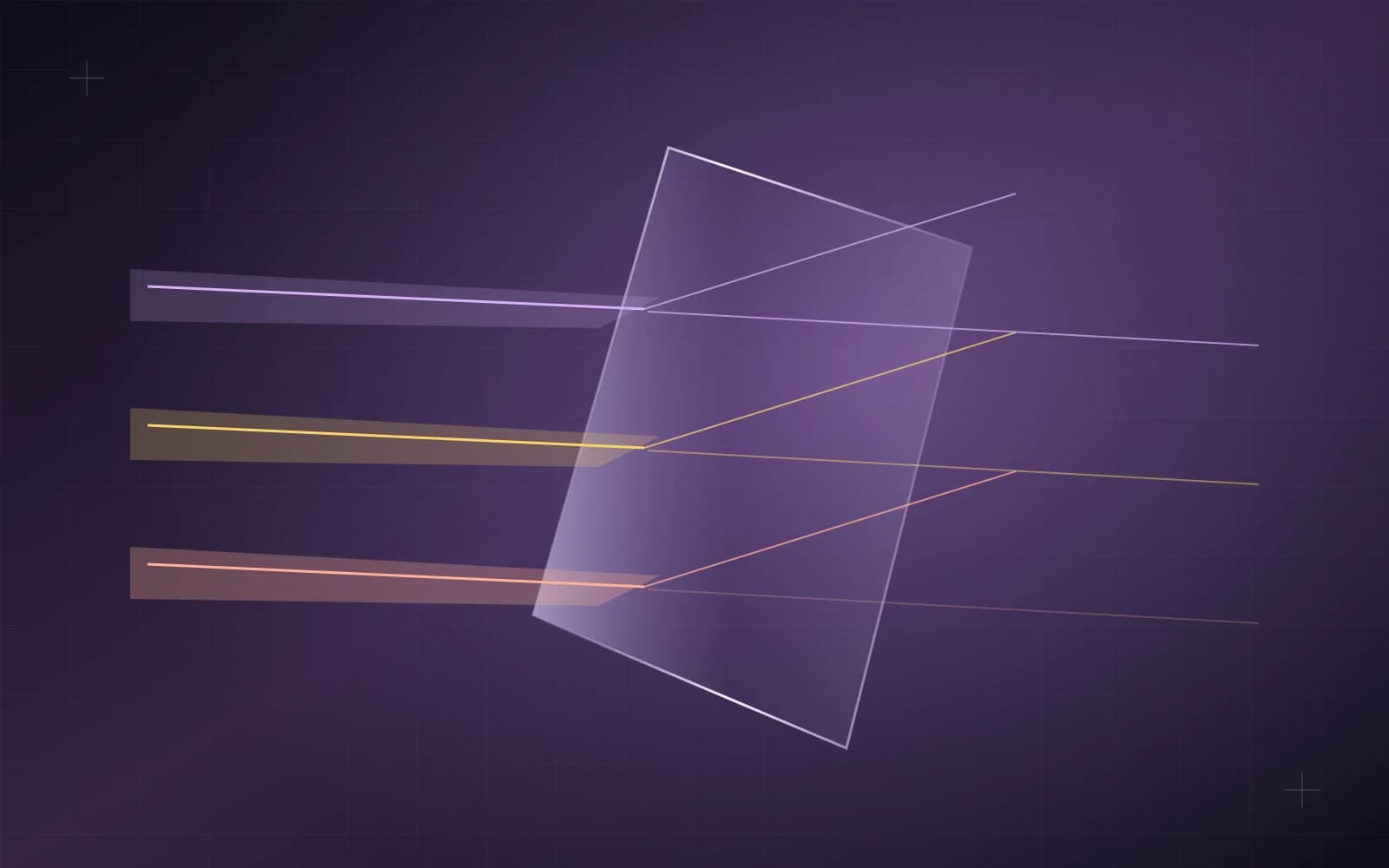

Read the number as transmission
SHADENOVA 35 means VLT 35%. SHADENOVA 15 means VLT 15%. SHADENOVA 05 means VLT 5%. The number identifies visible light transmission in the documented Iraq SKU naming. It does not mean that 35, 15 or 5 percent of the view is “tinted” in the everyday sense of darkness.
This distinction is easy to miss and important to get right. A customer hearing “35% tint” may expect one degree of darkness while an installer means a completely different quantity. Writing the term VLT beside the number removes that ambiguity and makes the order more precise.
The current labels explained
| Documented Iraq SKU | Correct visible-light label | Relative transmission among these three |
|---|---|---|
| SHADENOVA 35 | VLT 35% | Highest |
| SHADENOVA 15 | VLT 15% | Middle |
| SHADENOVA 05 | VLT 5% | Lowest |
Under comparable conditions, lower VLT means less visible light passes through. That is why 05 is the lowest-transmission choice in this set, despite having the smallest number. The labels should be preserved accurately on the quote, product record and installation discussion.
These are documented Iraq variants. Their inclusion here explains the current product naming; it does not establish that all three are sold in every market or suitable for every window. Confirm actual availability and current local requirements with the professional handling the installation.
Why “percent tint” can be misleading
Informal tint language often mixes transmission with darkness. If someone uses “35%” to mean visible transmission and another uses it to mean visible light not transmitted, they are describing opposite parts of the same simplified picture.
For an owner, the safest approach is to ask for the exact product name and VLT. Avoid making the purchase depend on a vague phrase such as “medium tint.” Descriptive terms can help discuss appearance, but the technical label should remain the basis for identifying the selected film.
The International Window Film Association's VLT explanation describes transmission in this way: the percentage indicates visible light allowed through. That is general measurement context, not a third-party approval of a specific VIVID shade.
A film label is not the whole installed view
The final viewing experience involves the vehicle's existing glass and the installed film, as well as lighting and reflections. Do not assume that holding a loose sample up to a bright room fully represents driving conditions or the appearance of a particular vehicle.
Ask whether the supplied VLT value refers to the film or to a specified glazing combination. Where an installed value matters, have the relevant glazing assessed using the appropriate procedure. Avoid simply assuming that the film's nominal label is the final measurement of every glass-and-film assembly.
View samples in representative daytime and lower-light conditions. Consider how the driver uses the affected windows and how frequently the vehicle operates after dark. A lower VLT can support a darker appearance, but it also means less visible light transmission. The choice should reflect the actual use rather than an assumption that darker is always better.
Privacy is not an absolute promise
How readily people can see through glass depends on the lighting on each side and the viewing angle. Exterior appearance can change between daylight, a bright interior at night and a shaded location. A photograph from one setting cannot promise the same degree of privacy in every other setting.
For that reason, SHADENOVA should not be described as “100% clear from inside” or as absolute privacy. Discuss the practical effect in the intended vehicle and acknowledge the conditions in which it changes. A clear expectation is more useful than a dramatic demonstration under favorable light.
Other metrics stay separate from shade
VIVID SHADENOVA™ is a nano-ceramic, metal-free automotive tint. Its documented family properties include approximately 2.0 mil thickness, IRR of 92–95%, TSER of 55–65% and at least 99% UV rejection.
| Metric | Documented family value | What to keep distinct |
|---|---|---|
| IRR | 92–95% | A defined infrared measurement |
| TSER | 55–65% | Total solar energy rejection |
| UV rejection | At least 99% | Ultraviolet rejection |
| VLT | 35%, 15% or 5% for the listed SKUs | Visible light transmission |
Do not turn the IRR range into a total heat-reduction percentage. Do not assume that a darker shade automatically establishes a specific cabin-temperature change. The VLT, IRR and TSER guide explains why these measurements need their own names and context.
Local suitability must be checked for the actual window
Tint requirements can depend on location, vehicle and window position. This article does not provide a legal limit or declare a shade universally compliant. Before approving installation, ask the installer to confirm the current requirements relevant to the vehicle and each proposed glazing surface.
A product being available does not settle that question. The quoted specification should identify which windows receive which film. If different surfaces have different requirements, record those choices clearly instead of applying one general label to the whole vehicle.
Windshield protection also belongs to a separate decision. VIVID WINDSHIELD ARMOR™ has its own optical and protective specification; a SHADENOVA shade number should not be used to describe it.
A clearer way to approve the job
Ask for a written selection that names SHADENOVA, the chosen VLT SKU, the covered windows and the applicable care instructions. Confirm the proposed film identity before installation and retain the record afterward. Review the result under suitable lighting and raise visibility or finish concerns promptly.
Specify “SHADENOVA 35 — VLT 35%,” not an ambiguous “35% tint.” The same rule applies to 15 and 05.
Compare SHADENOVA with COOLGUARD if the broader glass-film choice is still open. A professional consultation should connect the technical label to the vehicle, the windows and the conditions in which they are used.